




‘A big step by the UAE government’: Cricketers react to Abu Dhabi T10’s new era
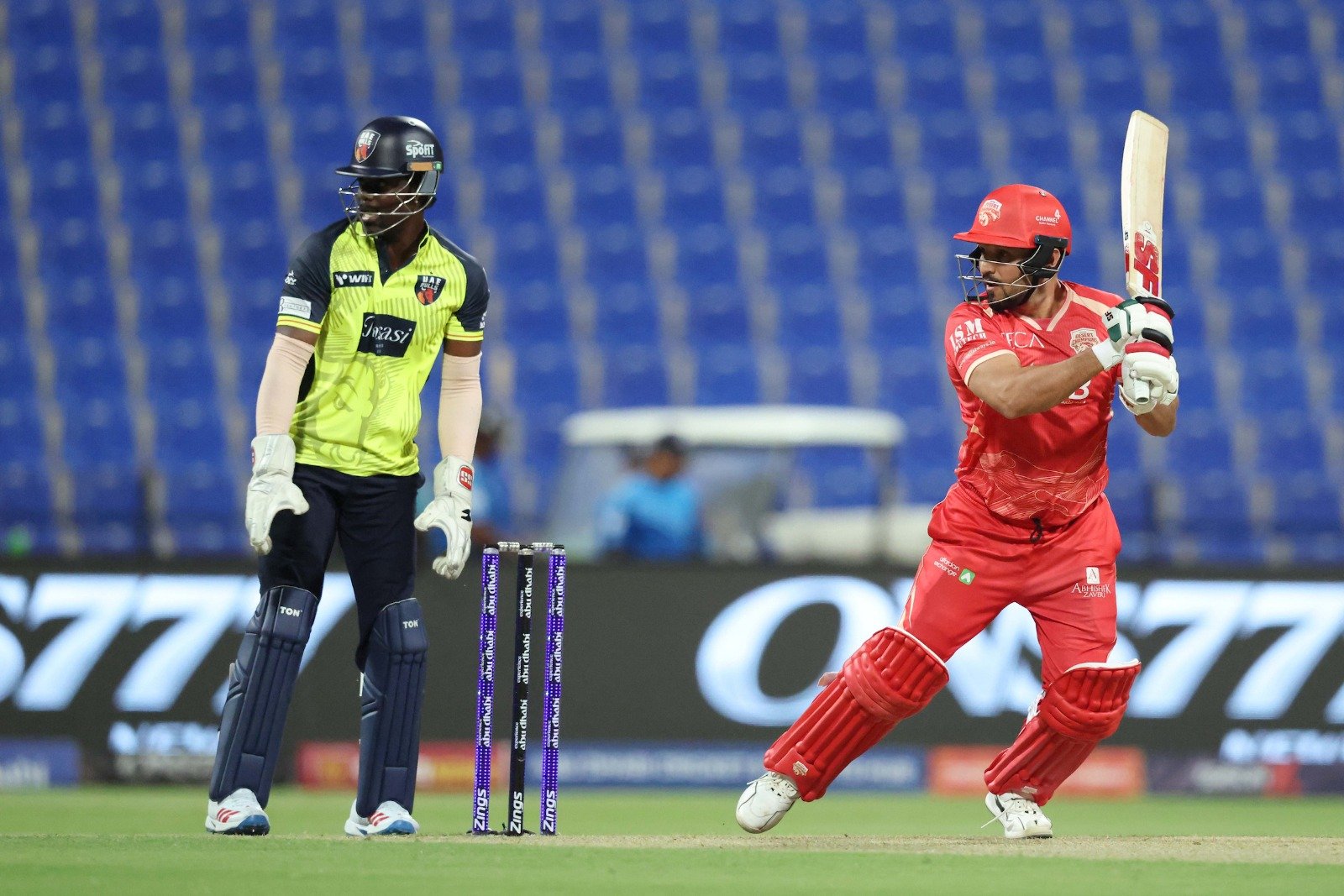
Gulbadin Naib, David Willey and Lance Klusener have welcomed the Abu Dhabi T10’s new ownership structure, describing it as an opportunity to strengthen the competition and support the development of cricket in the UAE. UAE Bulls all-rounder Shadab Khan, however, said he would prefer to see how the changes unfold before judging their impact.
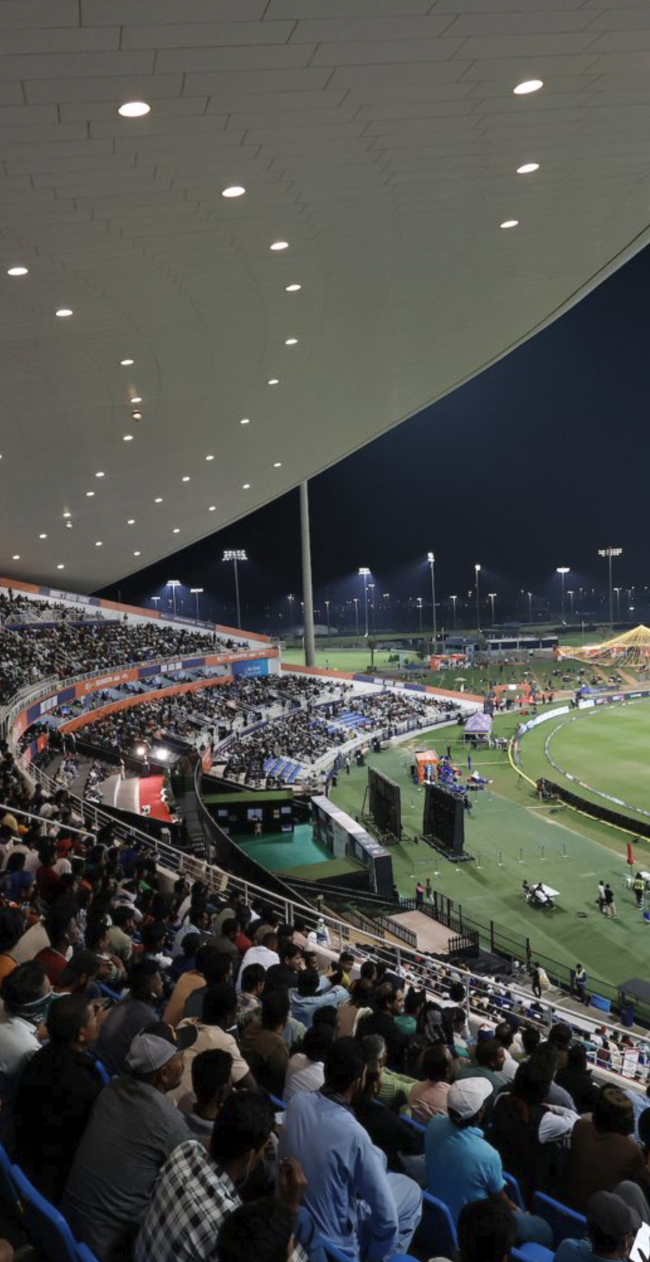
The four players and coaches shared their views at Zayed Cricket Stadium on Wednesday, following the latest round of matches in a season that marks a new chapter for the tournament.
Until this year, the Abu Dhabi T10 was run as a privately operated league. In May, Abu Dhabi Cricket & Sports Hub took majority ownership and commercial control, with the backing of the Abu Dhabi Sports Council and the Emirates Cricket Board.
The new structure is intended to establish the competition as a long-term sporting asset for the emirate. The November 7-20 season is the first under the new arrangement, with six franchises operating on 10-year licences.
For Royal Desert Champions all-rounder Naib, the involvement of the UAE government is a positive development.
“If the government gets involved in this, it is a good thing for the country,” Naib said. “People in other countries get a good message from it. It is a big step by the UAE government. We have to carry it and take it forward.”
The tournament already has an international audience. An independent GSIQ report valued the media exposure of the 2025 edition at US$512 million and recorded 687 million social media impressions worldwide. The new ownership structure aims to build on that reach with a longer-term approach.
Yas Lions fast bowler Willey also welcomed the change, although he admitted that the business side of the tournament was beyond his expertise.
“It’s a bit above my pay grade, to be honest,” he said.
However, Willey believes the quality of players involved and the prospect of a more stable competition can benefit the sport.
“If you see the quality of the players that are here this year, to make this competition a stable and trustworthy one as much as possible, it’s going to be great for the game,” he said. “I think it’s fantastic that it’s been taken over, and I’m pleased to be a part of Yas Lions.”
Having experienced several franchise competitions, Willey said the people behind a tournament can make a significant difference to a player’s experience.
“When you play a lot of franchise cricket, sometimes you can feel like you’re on the treadmill a little bit,” he said. “We’re really fortunate to have a great group of people here, and that’s a massive part of my enjoyment.”
Arabian Aces head coach Klusener described the changes as “very exciting”, particularly highlighting the six-team format.
“Six teams have been really good because it condenses all the talent that’s out there,” he said. “It’s six evenly matched teams, as you guys have seen. There are no easy games anymore.”
Klusener added that the season felt slightly longer than previous editions, but said that was not a concern.
Shadab, meanwhile, offered a more cautious assessment. The UAE Bulls all-rounder said he did not have enough knowledge of ownership models to comment in detail and pointed out that Abu Dhabi has had a long history of hosting cricket.
“This is the first year,” he said. “After this, we will see how things continue.”
UAE players stand to benefit from international exposure
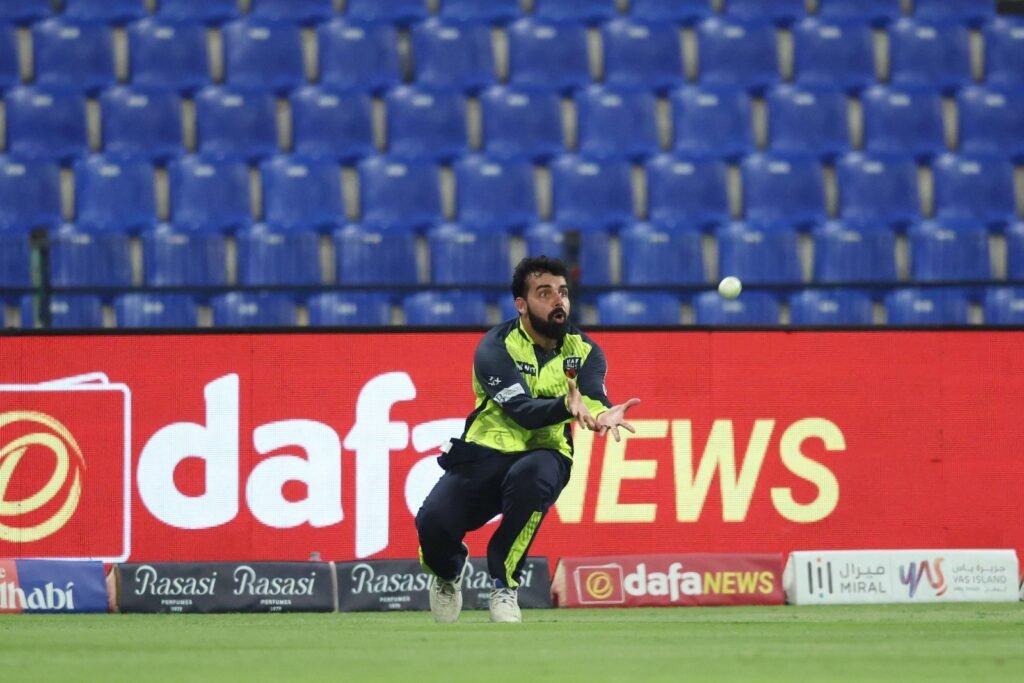
While the four had different views on the ownership changes, the value of the tournament for UAE-based players emerged as a common theme.
Each playing XI must feature at least two UAE cricketers, giving local talent the opportunity to share dressing rooms and compete alongside established international names.
Willey, who said the experience would have been particularly valuable earlier in his career, believes the exposure can help domestic players develop.
“My international career is over, so it’s not doing much for me now,” he said. “But for the domestic players, you look at the names on these team sheets. To have an opportunity to play with them, to watch them go about their business and learn from them, I think it’s fantastic.”
Klusener pointed to UAE batter Alishan Sharafu as an example of the opportunities available. Batting behind international stars Moeen Ali, Liam Livingstone and Andre Russell in the Arabian Aces line-up, Sharafu is getting the chance to learn from players with extensive experience in the shortest formats.
“He’s coming up against some wonderful international players that are batting ahead of him,” Klusener said. “He’s getting a wonderful opportunity, and I thought he was outstanding again today.”
Naib also highlighted the role franchise cricket has played in Afghanistan’s development, pointing to the experience players gain by competing alongside international stars.
“Cricket is a game of pressure,” he said. “If you look at Afghanistan cricket, look at the help it has had from franchise cricket and the experience we have gained from it.”
He added that the Abu Dhabi T10 attracts viewers beyond the UAE, including fans in Afghanistan, and said the format had the potential to expand further. Naib also expressed hope that T10 cricket could one day feature at the Olympic Games.
Shadab highlighted the value of the format from a bowler’s perspective. The demands of defending a total in a 10-over match, he said, can help bowlers develop confidence that carries into T20 internationals and one-day cricket.
Champions beaten as league action continues

Wednesday’s double-header produced victories for Royal Desert Champions and Yas Lions.
Royal Desert Champions defeated defending champions UAE Bulls by six wickets, while Yas Lions beat Arabian Aces by 29 runs.
The Abu Dhabi T10 league stage continues on Friday.
Klusener, who retired from international cricket before the T10 format was introduced, was also asked whether he would have liked to play in the competition.
“It looks like fun,” he said. “Ninety minutes and you go home.”

Post a Comment