




FIFA World Cup 2026 opens in Mexico City with a dazzling star-studded ceremony
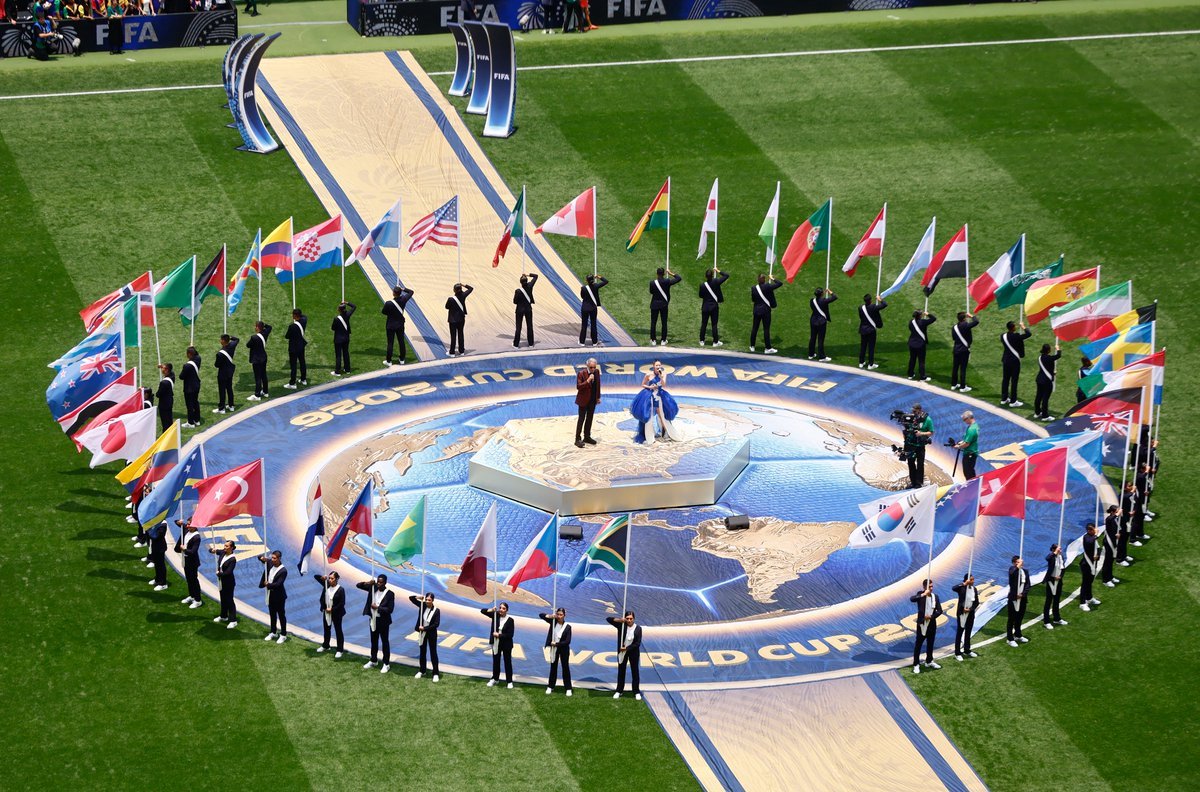
Mexico City’s iconic Estadio Azteca was transformed into a global stage on Thursday evening as the FIFA World Cup 2026 officially got underway, marking the beginning of the biggest edition in the tournament’s history.
A vibrant opening ceremony showcased a blend of Mexican culture, music and modern spectacle, with performances from international stars including Shakira and Burna Boy. The ceremony was designed to reflect both the heritage of the host nation and the global nature of the tournament, which for the first time will be staged across three countries — Mexico, the United States and Canada.
Before the first whistle of the competition, the atmosphere inside the historic stadium reached a crescendo as thousands of fans filled the stands, waving flags and lighting up the arena in a sea of colour. The Estadio Azteca, already steeped in football history, has now become the first venue in the world to host matches across three separate FIFA World Cups, having previously staged the 1970 and 1986 finals.
In a further highlight of the ceremony, Italian tenor Andrea Bocelli performed the tournament’s official anthem, adding a classical flourish to an evening otherwise defined by high-energy performances and large-scale choreography.
FIFA officials described the opening event as a “symbolic bridge between continents”, underlining the expanded format of the 2026 tournament. For the first time, the World Cup will feature 48 teams — up from 32 — and a total of 104 matches, spread across 16 host cities across North America. The expansion is intended to increase global participation and bring the tournament to a wider range of supporters.
Immediately after the ceremony, hosts Mexico faced South Africa in the tournament’s opening match, kicking off what is expected to be a month-long football spectacle. The match began under heavy security and heightened global attention, with millions watching around the world.
The expanded format has also brought logistical challenges, with teams required to travel across vast distances between venues in multiple countries. Organisers have emphasised investments in transport infrastructure, stadium upgrades and sustainability measures aimed at reducing the environmental footprint of the tournament.
The 2026 edition also arrives at a time when football’s global profile continues to grow rapidly, with record broadcast deals, increased digital streaming access and heightened commercial interest from sponsors. Analysts expect the tournament to break previous viewership records, particularly given its tri-nation hosting model and expanded team lineup.
Estadio Azteca itself remains one of football’s most storied venues. It famously hosted Brazil’s Pelé lifting the trophy in 1970 and Diego Maradona’s “Hand of God” and “Goal of the Century” performances in 1986. Its role in opening the 2026 tournament has been widely seen as a nod to football’s rich history in Mexico, while also signalling a new era for the sport.
As fireworks lit up the Mexico City skyline following the ceremony, attention now turns to the next phase of the tournament’s opening schedule, with matches set to continue across North America in what promises to be the most geographically expansive World Cup ever staged.
For fans, players and organisers alike, the message from Mexico City was clear: the world’s biggest sporting event has begun, and it is set to be bigger, broader and more ambitious than ever before.
Post a Comment